The Cycle of Possibility to Action: Keeping Dreams Grounded and Plans Inspired
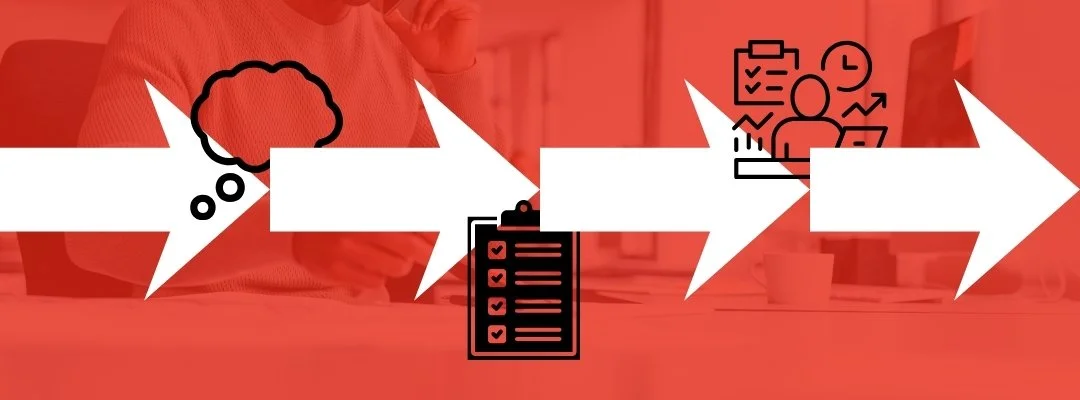
Vision without action is fantasy. You have inspiring meetings where people dream big, leave energized, then return to business as usual. Nothing changes. The gap between vision and reality grows until people stop believing in the vision. Action without vision is drudgery. You execute tasks efficiently but lose sight of why they matter. Work becomes mechanical. People go through motions without meaning or energy.
The challenge is maintaining creative tension between vision and action. You need both the inspiration of possibility and the discipline of execution. You need dreams that pull you forward and plans that ground you in reality. You need to keep possibility alive while making progress. This balance is not a compromise. It is a dynamic cycle that amplifies both vision and action.
The cycle starts with possibility. You explore what could be without immediately constraining it with practical concerns. What future do you want to create? What impact matters most? What would success beyond expectations look like? This expansive thinking opens creative space. Ideas emerge that would never surface if you started with constraints.
Possibility thinking generates energy. People come alive when imagining meaningful futures. They contribute ideas freely because nothing is off the table yet. They build on each other's thinking because collaboration feels exciting, not threatening. They reconnect to purpose because possibility conversations remind them why their work matters.
From possibility, you move to concrete envisioning. What specifically would that possible future look like? What would you see, hear, and feel? Who would benefit and how? What would be different about how you operate? This step adds detail without losing inspiration. You make the vision tangible enough to guide action while keeping it compelling enough to energize effort.
Next comes reality testing. What would making this possible require? What capabilities do you need? What resources would it take? What obstacles exist? What assumptions are you making? This step grounds vision in reality without killing it. You identify genuine constraints while looking for creative ways around them rather than using them as excuses to scale back ambition.
From reality testing, you generate first steps. What could you do now that moves toward the possibility? What experiments could test your assumptions? What learning would inform the path? What partners could help? First steps bridge vision and action. They are small enough to start immediately but meaningful enough to create momentum.
As you take action, you learn. Results inform your understanding. Experiments reveal what works and what does not. Problems surface that you did not anticipate. Opportunities appear that you did not see. This learning feeds back into possibility. Your vision evolves based on what you discover through action.
The cycle is not linear but iterative. You do not complete possibility then move to action. You hold both simultaneously. While executing current plans, you continue exploring future possibilities. While dreaming about what could be, you take concrete steps today. The interaction between vision and action creates momentum that neither alone could generate.
Many organizations break the cycle by separating vision and execution. Strategy teams dream while operations teams execute. Annual planning creates vision, then daily work loses connection to it. Leaders talk inspiration while expecting tactical implementation. This separation creates the gap people experience between what leaders say and what really happens.
Keep the cycle alive by building it into your rhythms. Weekly meetings should include both "What progress are we making?" and "What new possibilities are we seeing?" Quarterly planning should review both execution and vision. Annual retreats should balance celebrating progress with refreshing long-term aspiration. Every significant conversation should touch both action and possibility.
Use action to test and refine vision. When plans hit obstacles, ask "Does this challenge mean we need to adjust our approach or rethink our vision?" When quick wins create momentum, ask "What does this success reveal about what else is possible?" When experiments fail, ask "What did we learn that improves our understanding of what we are trying to create?"
Use vision to energize and guide action. When execution feels like drudgery, reconnect to possibility. Why does this work matter? What future does it enable? When decisions get complex, return to vision. Which option better serves our larger purpose? When motivation drops, refresh possibility. What new dimension of our vision could we explore?
The organizations that sustain transformation master this cycle. They never lose sight of possibility even while grinding through difficult implementation. They never float in vision without grounding it in concrete action. They maintain creative tension between what is and what could be, using each to strengthen the other.
Your job as leader is keeping the cycle moving. When your team gets lost in tactical details, bring them back to possibility. "Remember what we are creating here." When they drift into pure vision, ground them in action. "What is our next step?" When action produces learning, help them see implications for possibility. "What does this teach us about what is really possible?"
The cycle requires different mindsets at different points. Possibility thinking needs openness, creativity, and optimism. Reality testing needs honesty, analysis, and pragmatism. Action planning needs discipline, focus, and accountability. Learning requires curiosity, humility, and reflection. Great leaders move flexibly between these mindsets rather than getting stuck in one.
Watch what happens when you lose the cycle. If you stay in possibility without action, energy eventually dissipates. People stop believing the vision will ever become real. If you stay in action without possibility, energy depletes. People lose sight of why their effort matters. The cycle is how you maintain both inspiration and momentum over the long haul.
Build practices that maintain the cycle. Start meetings with possibility before diving into action items. End action reviews by discussing what new possibilities emerged. Celebrate progress while also asking what it makes possible next. Link every action to larger purpose. Frame every vision in terms of concrete next steps.
Master the cycle of possibility to action and other transformational practices in Supercharge: A New Playbook for Leadership. Get your hardcover or paperback copy here.