The Gift Map: Making Your Organization's Talents Visible
Hidden gifts cannot contribute. Right now, someone in your organization has a capacity that could solve your biggest challenge, but you do not know it exists. Someone has experience that would prevent a costly mistake, but no one knows to ask them. Someone has a passion that would energize an important project, but they are stuck in a role that uses none of it. This happens constantly in organizations where gifts remain invisible.
Traditional org charts show reporting relationships and job titles. They tell you who reports to whom but nothing about what each person uniquely brings. Job descriptions list responsibilities and required skills but miss the distinctive capacities that make someone exceptional. Performance reviews focus on meeting expectations, not on recognizing unique talents. Your formal systems make roles visible while leaving gifts hidden.
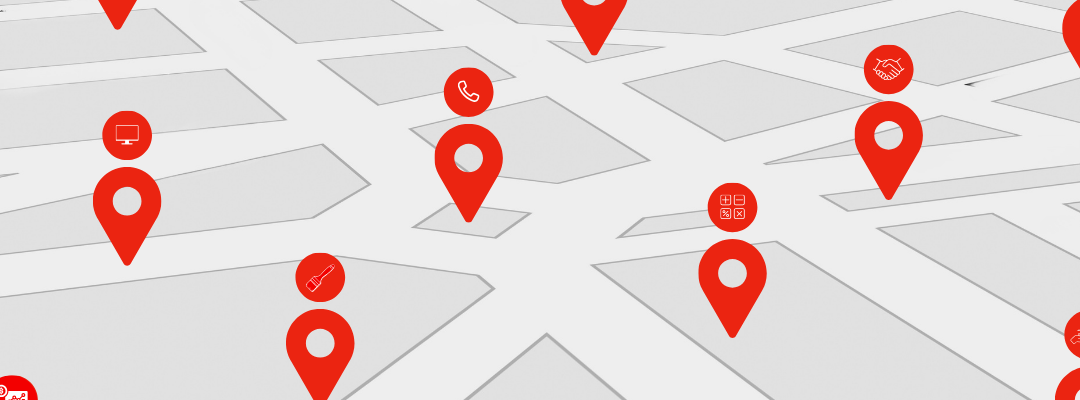
A gift map makes your organization's talents visible. It is a visual representation of who has what capabilities, interests, and experiences. Not just their job skills but their unique gifts. The person who naturally sees patterns. The one who builds trust instantly. The one who asks questions that unlock new thinking. The one who stays calm when everyone else panics. The one who connects ideas across domains.
Creating a gift map starts with conversation, not data collection. In team meetings, department sessions, or company gatherings, ask people to share their gifts. Not just what they do in their job, but what they love doing. What energizes them? What comes naturally? What would they do if they could contribute anything to the organization?
Include professional gifts like technical expertise, industry knowledge, and specialized skills. But also include personal gifts like the ability to build community, skill at explaining complex topics simply, talent for bringing humor to tense situations, or gift for seeing possibilities others miss. These personal gifts often matter more than technical skills.
The mapping process itself builds connection. When people hear about gifts they did not know existed, they start thinking differently about their colleagues. The accountant who leads outdoor adventures. The engineer who mediates family conflicts. The operations manager who writes poetry. These dimensions make people more fully human to each other and reveal capabilities the organization could leverage.
Display the gift map visually where everyone can see it. This might be a wall in a common area, a digital platform everyone accesses, or both. Organize it in ways that make sense for your organization. By department, by gift type, by project area, or by any other scheme that helps people find what they need.
Use the gift map actively. When forming project teams, consult it to find complementary gifts, not just relevant job titles. When facing a challenge, ask who has gifts that could help regardless of their department or role. When someone needs development, identify people whose gifts include teaching or mentoring. Make the map a living tool, not a static display.
The gift map reveals gaps and abundance. You might discover that you have five people with strong analytical skills but no one with strong design thinking. You might find that relationship-building gifts cluster in certain areas while being scarce elsewhere. These patterns inform hiring decisions, development plans, and how you organize work.
Update the map regularly. People develop new gifts. They discover passions they did not know they had. They gain experience that creates new expertise. The map should evolve as your people evolve. Make updating it a quarterly practice, not a one-time project.
Gift maps change how you solve problems. Instead of thinking "What department handles this?" you think "What gifts does this need?" Instead of "Who is responsible for this function?" you ask "Who has the capacity to excel at this?" This shift lets you access capabilities throughout the organization rather than only within traditional boundaries.
They also change how people see their careers. When someone's gifts are visible and valued beyond their current role, they see possibilities they had not imagined. The customer service rep whose gift for seeing patterns gets recognized might contribute to strategy. The engineer whose gift for building relationships might help with key customer accounts. People can grow toward their gifts rather than up a predetermined ladder.
The map prevents the talent blindness that plagues most organizations. You hire someone for one skill set and never discover their other capabilities. You promote people based on seniority while overlooking others whose gifts better match the role. You bring in expensive consultants for work someone internal could do brilliantly. Gift maps surface hidden resources already present.
Organizations with visible gifts become talent magnets. People want to work where their full capacity matters. They stay where they feel seen and valued for who they really are. They recommend their talented friends because they know those gifts will be recognized and used. Culture changes when people feel appreciated for what they uniquely bring.
The practice also improves succession planning. When key people leave or retire, you lose not just their job function but their gifts. If those gifts are visible on the map, you can plan how to address the loss. Maybe you develop someone else's capacity in that area. Maybe you adjust how you organize work. Maybe you make it a hiring priority. You can plan intentionally rather than discovering the gap when it is too late.
Gift maps require a culture shift. They only work if people believe their gifts will be genuinely valued and used. If the map becomes another HR exercise that sits unused, people will not invest in it. If gifts get acknowledged but never leveraged, cynicism sets in. The map is a tool, but the commitment to honoring and using gifts is what makes it powerful.
Start small if a company-wide gift map feels overwhelming. Create one for your leadership team. Map your department. Pilot it with a project team. Build success and learning, then scale. The practice matters more than perfect execution.
Your organization contains more talent than you are using. People have capacities you have never tapped. They have experiences you have never leveraged. They have passions you have never engaged. The gift map makes these resources visible so you can access them. It transforms hidden potential into active contribution.
Discover how to build an organization that leverages every person's full capacity in Supercharge: A New Playbook for Leadership. Get your hardcover or paperback copy here.